
Cooking a good dinner is rewarding, but cleaning up afterward can feel like a second meal to prepare. Piles of dishes, sticky counters, food scraps, and cookware can quickly turn a relaxing evening into a chore.
The good news is that cleanup does not have to take as long as cooking. A few simple habits can reduce mess, prevent dishes from piling up, and make the final routine easier to manage. Try these ideas to create a dinner cleanup system that works for your kitchen and your schedule.
Start With a Simple Cleanup Plan
A little planning before cooking can make a big difference. Before you begin, take a quick look at the recipe and think about which tools, bowls, and pans you will need. Gathering everything at the start helps prevent extra trips to the cabinets and makes it easier to reuse items.
Choose the smallest practical number of dishes and tools. For example, measure ingredients into one bowl when possible instead of using several small containers. If a recipe includes multiple steps, look for tools that can perform more than one task.
It also helps to clear the sink and dishwasher before cooking. An empty dishwasher gives dirty dishes a place to go right away, while a clear sink provides space for washing larger items.
Clean as You Go
Cleaning as you cook is one of the most effective ways to reduce the final workload. You do not need to wash every item immediately. Instead, focus on quick tasks during natural pauses in the cooking process.
Try to:
– Put ingredients away after using them.
– Wipe spills before they dry.
– Place food scraps in a compost container or trash bin.
– Rinse measuring cups, knives, and utensils as soon as possible.
– Soak pans while food is cooking or resting.
– Return tools to their usual storage spots.
For example, while water is heating or vegetables are roasting, you can rinse a cutting board or load a few dishes. These short bursts of cleaning often add up to several minutes saved at the end.
Keep a Bowl for Food Scraps
A scrap bowl is a simple way to keep counters cleaner while preparing dinner. Place a medium bowl near your cutting board and use it for peels, stems, wrappers, and other food waste.
When you finish chopping, empty the bowl into the trash or compost container. This keeps scraps from spreading across the counter and reduces the need to make repeated trips to the bin.
If you prefer, you can use a reusable container with a lid. This may be helpful when cooking foods with strong smells or when you need to wait before taking scraps outside.
Use Fewer Dishes
Many meals require fewer dishes than you might expect. Look for ways to combine steps without making cooking confusing or unsafe.
A few ideas include:
– Mix sauces in the serving bowl when practical.
– Use one cutting board for ingredients that do not need separate preparation.
– Measure several dry ingredients into one bowl.
– Cook vegetables and proteins on the same sheet pan when the recipe allows.
– Serve food directly from the cooking dish when it looks presentable.
– Use one utensil for similar tasks instead of switching repeatedly.
Using fewer dishes does not mean skipping important food safety steps. Use clean tools for ready-to-eat foods, and wash items that come into contact with raw ingredients before using them again.
Choose One Pot or One Pan Meals
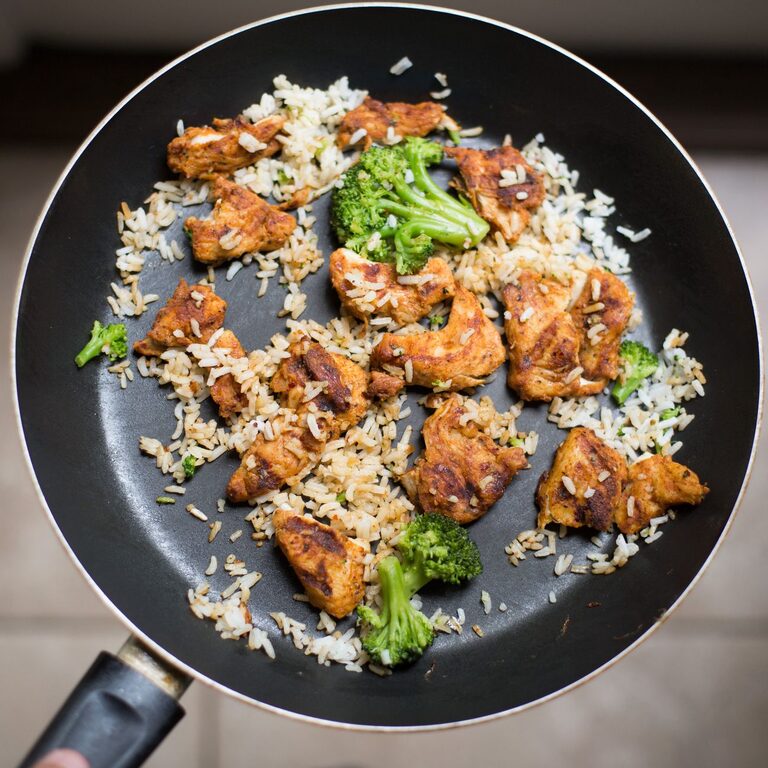
One pot and one pan meals can make cleanup much easier. Soups, skillet dinners, baked pasta, roasted vegetables, and sheet pan meals often require less washing than recipes that use many separate cooking vessels.
When choosing a recipe, consider both preparation and cleanup. A meal that takes slightly longer to cook may still be easier if it uses one pan and a few utensils.
To make one pan meals work well, cut ingredients into sizes that cook at similar speeds. Add quick-cooking ingredients later if necessary. This helps the meal cook evenly without requiring additional pans.
Soak Cookware Right Away
Dried food is usually harder to remove than fresh residue. As soon as you finish using a pot, pan, or baking dish, fill it with warm water. Add a small amount of dish soap if needed, and let it soak while you eat.
For stuck-on food, use a soft sponge or a suitable scrubber after soaking. Avoid using rough tools on surfaces that can scratch easily. Check the care instructions for nonstick cookware and other specialty items.
Do not place very hot cookware directly into cold water, as a sudden temperature change may damage some materials. Let the item cool slightly before soaking.
Make the Dishwasher Work Better
A dishwasher can save time, but only when it is loaded efficiently. Scrape large pieces of food into the trash or compost bin, then place dishes in the correct sections. Avoid overcrowding, since water and detergent need room to reach the surfaces.
Keep these habits in mind:
– Place plates so water can reach them.
– Put bowls at an angle to prevent water from collecting.
– Load utensils according to the manufacturer’s guidance.
– Keep large items from blocking the spray arms.
– Check that the detergent compartment can open properly.
– Empty the dishwasher as soon as you have a convenient moment.
If your dishwasher is not full after dinner, you can rinse smaller items and leave them in the sink or on a drying rack. Run the machine when it has enough dishes for a complete load.
Use a Two Stage Counter Routine
Instead of trying to make the entire kitchen perfect at once, divide cleanup into two short stages.
First, put away food and deal with dishes. Transfer leftovers to storage containers, cover them, and place them in the refrigerator when appropriate. Load the dishwasher or wash the most important items.
Second, clean the surfaces. Wipe counters, the stovetop, and the table. Sweep visible crumbs from the floor if needed. Breaking the task into stages can make it feel more manageable and helps you focus on one type of work at a time.
Create a Dinner Cleanup Basket
A small basket or container can hold supplies you use regularly, such as dishcloths, sponges, gloves, and surface cleaner. Keeping these items together makes it easier to begin cleanup without searching through cabinets.
Replace damp cloths regularly and allow reusable cleaning tools to dry between uses. Keep cleaning products stored safely and follow the instructions on their labels.
You can also keep a few reusable food storage containers in one easy-to-reach location. This makes putting away leftovers faster and reduces the temptation to leave food in serving dishes.
Share the Work
If several people are home, cleanup does not need to fall to one person. Give each person a clear, small task. One person can load the dishwasher, another can wipe the table, and someone else can store leftovers.
Children can often help with age-appropriate jobs such as carrying unbreakable dishes to the counter, sorting utensils, or wiping a table with a damp cloth. Simple shared routines teach responsibility and shorten the amount of time everyone spends cleaning.
End With a Five Minute Reset
A short reset is often enough to leave the kitchen ready for the next day. Set a timer for five minutes and focus on the most visible tasks:
– Clear the table.
– Put away leftovers.
– Load or start the dishwasher.
– Wipe the counters.
– Rinse the sink.
– Sweep obvious crumbs.
You do not have to complete every possible chore each night. The goal is to prevent small messes from becoming larger ones. A consistent five-minute routine can be more useful than an occasional long cleaning session.
Make Cleanup Part of the Meal
Dinner cleanup is easier when it is treated as part of the meal rather than an entirely separate task. Plan recipes with cleanup in mind, keep useful supplies nearby, and take care of small jobs during cooking pauses.
Over time, these habits become automatic. With fewer dishes, cleaner work areas, and a short shared routine, you can spend less time cleaning after dinner and more time enjoying the rest of your evening.