
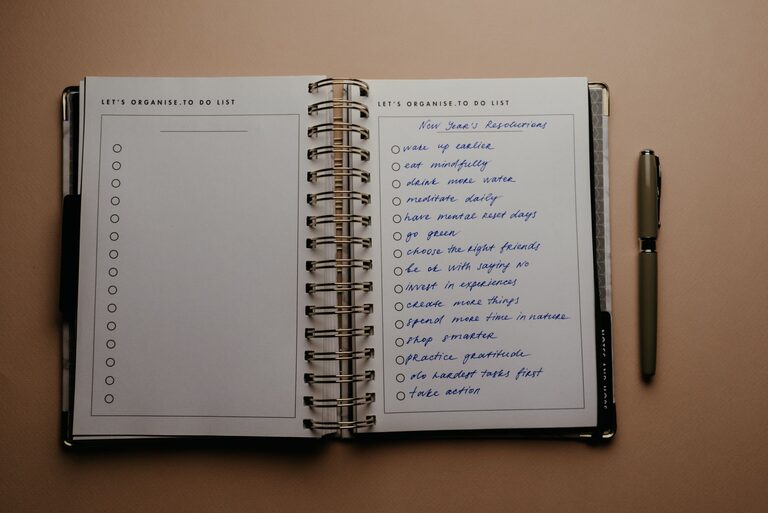
Building better habits is less about making dramatic changes and more about repeating small actions over time. Whether you want to read more, exercise regularly, keep your home organized, or spend less time on your phone, habit tracking can help you understand your progress and stay motivated.
A habit tracker gives you a simple way to see what you have done, notice patterns, and make adjustments. However, tracking alone does not create consistency. The most effective approach combines clear goals, realistic routines, useful reminders, and a flexible attitude when life gets busy.
Start With One Clear Habit
A common mistake is trying to change too many habits at once. A long list of goals can feel exciting at first, but it may quickly become difficult to manage. Starting with one habit gives you a better chance of building a routine that feels natural.
Choose a habit that is:
- Specific enough to understand immediately
- Small enough to complete on a busy day
- Connected to something you already do
- Meaningful to your daily life
For example, “get healthier” is too broad to track easily. “Take a 10-minute walk after lunch” is clearer. Instead of “learn a language,” try “practice vocabulary for five minutes after breakfast.”
A small habit may seem unimpressive, but it creates a starting point. Once the action becomes familiar, you can increase the time or difficulty gradually.
Define What Success Looks Like
Before choosing a tracking method, decide exactly what counts as completing the habit. This prevents confusion and makes your records more accurate.
Ask yourself:
- What action will I take?
- When or where will I do it?
- How long will it take?
- What is the minimum version I can complete?
Suppose your goal is to write every day. Will success mean writing 1,000 words, drafting for 20 minutes, or adding one sentence to a project? Any of these options can work, but choosing one in advance removes the need to make the decision each day.
It can also help to create a “minimum version” of your habit. If your usual goal is a 30-minute workout, the minimum version might be stretching for five minutes. The smaller option keeps the routine active when your schedule is difficult.
Choose a Tracking Method You Will Actually Use
The best tracking system is one that is easy to update. A complicated tool may offer many features, but it will not help if you stop using it after a few days.
Here are several simple options:
Paper calendar
Mark each successful day with a checkmark, dot, or sticker. A calendar makes progress visible and requires no special technology. Keep it somewhere you will see it often, such as near your desk or on the refrigerator.
Notebook or journal
Use one page to record the date, the habit, and a short note. This method is useful if you want to include details such as your energy level, mood, or obstacles.
Spreadsheet
A spreadsheet allows you to track several habits and review patterns over time. You can use simple columns for dates and habits without creating a complicated system.
Habit tracking app
An app can provide reminders, charts, and progress summaries. Choose one with a simple design and only the features you need. Too many notifications or settings can make tracking feel like another task.
Connect the Habit to an Existing Routine
One of the easiest ways to remember a new habit is to attach it to something you already do. This is sometimes called habit stacking.
Use this structure:
After I do [existing routine], I will [new habit].
Examples include:
- After I pour my morning coffee, I will review my daily plan.
- After I brush my teeth at night, I will prepare clothes for the next day.
- After I finish lunch, I will take a short walk.
- After I close my laptop, I will tidy my workspace for five minutes.
The existing routine acts as a reminder. Over time, the new action can become connected to the same part of your day.
Make the Habit Easier to Begin
Starting is often the hardest part. Reduce the number of steps between you and the action you want to take.
For example:
- Place your workout clothes where you can see them.
- Keep a book on your nightstand instead of across the room.
- Prepare healthy snacks before you become hungry.
- Keep your writing materials open and ready.
- Put your phone in another room during focused work.
This is also useful when you want to reduce an unwanted habit. Add a small amount of effort between yourself and the behavior. You might remove distracting apps from your home screen, turn off unnecessary notifications, or keep tempting items out of immediate reach.
Track More Than Streaks
Streaks can be motivating, but they are not the only measure of success. A missed day does not erase the progress you made before it. Focusing only on an unbroken chain can create unnecessary pressure and lead to an all-or-nothing mindset.
Consider tracking additional measures, such as:
- The total number of successful days in a month
- The number of times you returned after a missed day
- The amount of time spent on the habit
- How the habit affected your energy or mood
- What conditions made the habit easier
For some habits, weekly totals are more useful than daily streaks. If your goal is to exercise three times a week, missing one planned day does not mean the week has failed. You can adjust your schedule and still meet the larger goal.
Review Your Progress Regularly
Set aside a few minutes each week to review your tracker. The purpose is not to criticize yourself. It is to learn what is working and what needs to change.
Ask questions such as:
- When was the habit easiest to complete?
- What usually caused me to skip it?
- Was the goal too large for my current schedule?
- Did reminders appear at the right time?
- What small change could make next week easier?
Look for practical patterns. You may discover that you complete the habit more often in the morning, that weekends require a different plan, or that a certain location helps you stay focused.
Plan for Missed Days
Consistency does not mean perfect performance. Travel, deadlines, family responsibilities, and unexpected changes can interrupt even a well-designed routine. Planning for these situations makes it easier to return.
Create a simple recovery plan:
- Notice that you missed the habit without judging yourself.
- Identify the reason it happened.
- Choose the smallest version of the habit.
- Complete it at the next realistic opportunity.
- Adjust the routine if the same obstacle keeps appearing.
Try not to turn one missed day into a long break. The goal is not to make up for lost time with an extreme effort. The goal is to resume the routine in a manageable way.
Reward the Process
Rewards can help reinforce a habit, especially during the early stages. The reward does not need to be expensive or elaborate. It could be checking off a list, enjoying a favorite drink after a task, or taking a few minutes to relax once the habit is complete.
You can also celebrate progress by reviewing what you have learned. Recognizing your effort helps shift attention away from immediate results and toward the process of showing up.
Keep Your System Simple
A habit tracker should support your routine, not take over your day. If updating it takes too long, reduce the number of fields. If reminders become distracting, keep only the most useful ones. If a habit no longer matters, replace it with a goal that better fits your current priorities.
The most reliable system is usually simple: choose a clear action, connect it to a regular routine, track it in a visible way, and review your progress each week. With realistic expectations and a plan for setbacks, small repeated actions can become lasting parts of everyday life.