
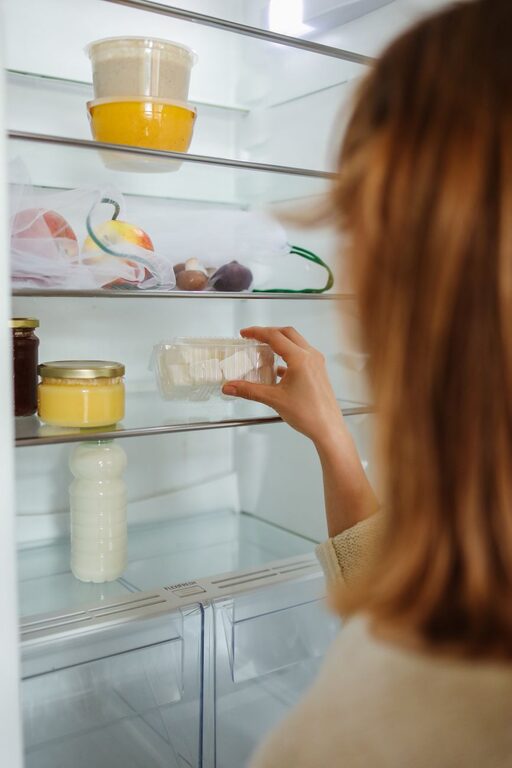
A tidy fridge and pantry make everyday cooking easier. You can find ingredients quickly, avoid buying items you already have, and reduce food waste. The key is not to create a perfect-looking space once, but to build simple habits that keep it manageable over time.
With a few storage zones, regular checks, and the right containers, even a busy kitchen can stay organized.
Start With a Complete Clear-Out
Before organizing, remove everything from your fridge and pantry. Working one section at a time is also fine if you have limited space.
As you empty each area:
– Check expiration and best-by dates.
– Look for spoiled, stale, or damaged food.
– Wipe away crumbs, spills, and sticky spots.
– Group similar items together on a counter or table.
– Make a list of foods that need to be used soon.
For the fridge, place perishable foods in a cool spot while you clean. Do not leave them out for longer than necessary. Use a damp cloth with mild dish soap for shelves, drawers, and the inside walls. Dry each surface before putting food back.
For the pantry, vacuum or sweep loose crumbs and wipe shelves with a slightly damp cloth. Make sure shelves are fully dry before returning dry goods.
Create Simple Storage Zones
Zones help every item have a logical home. They also make it easier to put groceries away without rearranging everything.
Useful Pantry Zones
Consider grouping pantry items into categories such as:
– Breakfast foods
– Baking supplies
– Pasta, rice, and grains
– Canned foods
– Snacks
– Sauces and condiments
– Tea, coffee, and drink mixes
– Back-up or bulk items
Keep the categories flexible. The best system is one that matches the way your household cooks and shops.
Useful Fridge Zones
A fridge can be divided into practical areas:
– Ready-to-eat foods
– Dairy products
– Fresh produce
– Raw meat and seafood
– Drinks
– Condiments
– Foods that need to be used soon
Store raw meat and seafood in sealed containers on the lowest shelf. This helps prevent leaks from reaching other foods. Keep ready-to-eat items higher up and place foods with short use-by windows where you can see them easily.
Use Containers That Fit Your Space
Containers can make shelves look neater and prevent small items from getting lost. However, you do not need to buy a large collection of matching organizers.
Choose containers that:
– Fit the height and depth of your shelves
– Are easy to clean
– Allow you to see what is inside
– Have handles or open sides when helpful
– Can be stacked safely
Clear bins work well for grouping small pantry items, such as snack packs or baking decorations. In the fridge, shallow bins can hold cheese, yogurt, or lunch ingredients.
Avoid filling containers so tightly that food becomes difficult to remove. Organization should save time, not add another step to every meal.
Label Opened and Stored Foods
Labels are especially useful when several foods look similar or when you store leftovers. Write the name of the food and the date it was opened or prepared.
You can use:
– Removable labels
– Painter’s tape
– A washable marker on reusable containers
– Small chalk labels
Keep labels easy to read and place them where they are visible. When storing leftovers, use shallow containers so food cools more evenly and is easier to see.
A “use first” area can be helpful. Place leftovers, opened packages, and produce that is becoming ripe in one clearly marked section. Check this area before preparing a meal or making a shopping list.
Arrange Items for Visibility
A tidy space is not useful if food is hidden behind other food. Arrange items so the most frequently used products are easy to reach.
In the pantry:
– Place taller items behind shorter ones.
– Store everyday foods at eye level.
– Keep heavy cans and jars on lower shelves.
– Use shelf risers if items disappear behind one another.
– Turn labels toward the front.
In the fridge:
– Keep frequently used foods in the main, easy-to-reach areas.
– Use drawers for produce according to the manufacturer’s guidance.
– Avoid packing shelves too tightly, because cold air needs room to circulate.
– Keep similar items together.
– Store tall bottles where they will not fall or block other foods.
The fridge door is usually the warmest part of the appliance, so it is best for condiments, sauces, and drinks rather than highly perishable foods.
Follow the First In, First Out Method
When you buy new groceries, move older items to the front and place newer items behind them. This simple method helps you use food in the right order.
Apply it to:
– Canned goods
– Cereal and crackers
– Pasta and grains
– Jarred sauces
– Dairy products
– Eggs
– Packaged snacks
You do not need to rearrange your entire kitchen every time you shop. Just take a moment to shift older items forward as you put new groceries away.
Keep a Running Inventory
A basic inventory can prevent duplicate purchases. You can write a short list on the fridge, use a notes app, or keep a small whiteboard in the pantry.
Track items that you often forget, such as:
– Cooking oils
– Spices
– Flour and sugar
– Canned vegetables
– Pasta and rice
– Frozen foods
– Favorite snacks
Do not try to record every single item unless that system works for you. A short list of staples is usually enough. Before shopping, check the fridge, freezer, and pantry against the list.
Make a Weekly Reset Part of Your Routine
A quick weekly reset keeps small problems from becoming large cleaning jobs. Choose a day that fits your schedule and spend 10 to 15 minutes on the following tasks:
– Remove empty packages.
– Move foods that need to be used soon to the front.
– Wipe visible spills.
– Check produce for items that need attention.
– Review leftovers.
– Add missing staples to your shopping list.
Once a month, clean one shelf, drawer, or pantry section more thoroughly. Dividing the work into small tasks makes it less tiring than waiting for a major clean-out.
Avoid Common Organization Mistakes
Some storage habits look convenient but can make the space harder to maintain. Try to avoid:
– Overfilling shelves and drawers
– Buying containers before measuring the space
– Keeping too many duplicate products
– Storing food in unmarked containers
– Ignoring spills until they become sticky
– Placing new groceries in front of older ones
– Using deep bins that hide small items
If a system repeatedly becomes messy, change the system instead of blaming yourself. A shelf may need fewer categories, a smaller container, or a more accessible location.
Make Tidiness Easy to Maintain
The best organization system is simple enough to use every day. Return items to their zones after cooking, wipe spills when they happen, and check the “use first” area regularly.
Ask yourself a few practical questions:
– Can I see most of what I have?
– Can I reach common ingredients quickly?
– Do I know what needs to be used soon?
– Is there enough space for new groceries?
– Can everyone in the household follow the system?
If the answer to any question is no, make one small adjustment. A tidy fridge and pantry do not need to look perfect. They simply need to be clean, visible, and arranged in a way that supports your daily routine.