
Working from home offers flexibility, but it can also make it harder to concentrate. Household tasks, phone notifications, family activity, and an unclear work schedule can all compete for your attention. The good news is that better focus usually comes from small, consistent changes rather than a complete lifestyle makeover.
Use the tips below to create a workday that feels more organized, intentional, and manageable.
1. Create a Dedicated Work Area
A dedicated workspace helps separate work time from personal time. This does not have to be a separate office. A corner of a room, a small desk, or a section of a dining table can work well.
Keep the area simple and ready for work. Store frequently used items nearby, remove unnecessary clutter, and make sure your computer and other tools are easy to access. When you sit down in this space, your surroundings can serve as a reminder that it is time to focus.
If you share your home with others, explain when you need quiet time. A visible signal, such as headphones or a closed door, can help communicate that you should not be interrupted unless something is urgent.
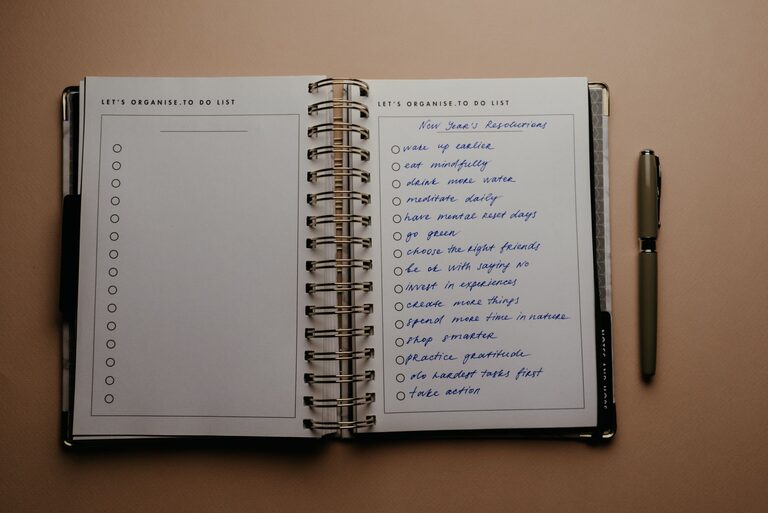
2. Start With a Short Daily Plan
Before beginning work, write down the most important tasks for the day. A short list is often more useful than a long one because it gives you a clear direction without feeling overwhelming.
Try organizing your plan into three categories:
– Must do: Tasks that need to be completed today
– Should do: Important tasks that can move forward if time allows
– Could do: Optional tasks for extra time
Choose one main priority for the morning and another for the afternoon. This makes it easier to decide what deserves your attention when new requests or distractions appear.
3. Set Working Hours
A regular schedule can make it easier to begin work and finish it. Choose a start time, lunch period, and end time that fit your responsibilities. You do not have to follow the exact same schedule every day, but consistency can help create useful habits.
At the beginning of your work period, follow a simple starting routine. For example, you might make a drink, review your calendar, and choose your first task. At the end of the day, close your work applications, tidy your desk, and write down anything you need to remember for tomorrow.
These routines create a clear boundary between work and home life.
4. Break Large Tasks Into Smaller Steps
Large projects can feel difficult to start because the next action is not always clear. Make the task more approachable by dividing it into smaller steps.
Instead of writing “finish the report,” your list might include:
– Review the project notes
– Create an outline
– Draft the introduction
– Add supporting information
– Check the formatting
– Prepare the final version
Small steps make progress easier to see. They also reduce the temptation to switch to a less demanding task.
5. Work in Focused Time Blocks
Time blocks can help you give your full attention to one activity. Choose a period that feels realistic, such as 25, 45, or 60 minutes. During that time, work on one task and avoid checking unrelated messages or websites.
When the time block ends, take a short break. Stand up, get some water, or look away from your screen. After the break, begin another focused block.
The exact length matters less than the habit of working with a clear beginning and end. Experiment with different time periods to find what works best for you.
6. Reduce Digital Distractions
Digital interruptions can quickly break your concentration. Review the notifications on your computer and phone, then turn off any that are not necessary during focused work.
You may also want to:
– Put your phone in another room or keep it face down
– Close unused browser tabs
– Sign out of personal social media accounts
– Use separate work and personal browser profiles
– Check email at planned times
– Set your chat status to show when you are concentrating
You do not need to eliminate every notification. The goal is to decide which interruptions are useful and which can wait.
7. Keep a Distraction List
Ideas and reminders often appear when you are working on something else. Instead of acting on every thought immediately, write it on a nearby list.
For example, you might note:
– Call the service provider
– Look up a new software tool
– Order household supplies
– Reply to a nonurgent message
Once the thought is recorded, return to your current task. Review the list during a planned break or at the end of the workday. This keeps minor tasks from taking over your attention while still making sure they are not forgotten.
8. Plan Around Your Best Focus Periods
Many people have certain times of day when they feel more alert. Notice when your concentration is strongest and schedule demanding work during that period when possible.
Use your high-focus hours for tasks such as writing, planning, analysis, or problem-solving. Save routine work, file organization, and simple email replies for times when your energy is lower.
Your schedule may not always allow this arrangement, but even small adjustments can make difficult tasks feel more manageable.
9. Take Real Breaks
A break should give your attention a chance to reset. Stepping away from your screen is often more refreshing than switching from work to personal browsing.
Useful break activities include:
– Walking around your home
– Stretching gently
– Preparing a snack
– Looking outside
– Tidying one small area
– Having a brief conversation with someone at home
Keep breaks short enough that they do not disrupt your schedule, but long enough to create some distance from the task. If you find yourself taking unplanned breaks often, add them to your calendar.
10. Set Boundaries With Household Tasks
Household chores can make working from home feel like a series of interruptions. Decide which tasks can wait until a scheduled break and which should be handled before or after work.
For example, you might put laundry in the machine before starting work, then avoid checking it until lunch. You could also create a short evening routine for dishes, cleaning, or errands.
Clear boundaries help prevent small chores from turning into long periods away from work.
11. Make Meetings More Focused
Meetings can take up much of the workday, especially when they are not well organized. Before a meeting, review its purpose and prepare any information you need.
During meetings, keep only the relevant applications open and place your phone out of reach. Afterward, record the key decisions and next steps. This prevents you from repeatedly revisiting the same discussion.
When appropriate, ask whether a written update could replace a meeting. Fewer interruptions can create more time for focused work.
12. Review What Worked
At the end of each week, spend a few minutes reviewing your work habits. Ask yourself:
– When did I focus most easily?
– Which distractions appeared repeatedly?
– Did my daily plan match the time available?
– Which tasks took longer than expected?
– What small change could improve next week?
Use your answers to adjust your schedule, workspace, or task list. Focus is not a fixed skill that you either have or lack. It is influenced by your environment, routines, and the way you organize your time.
Build a Routine That Fits Your Life
Better focus while working from home does not require perfect silence or constant concentration. It comes from creating conditions that make focused work easier: a clear workspace, a realistic schedule, fewer interruptions, and regular breaks.
Start with one or two changes instead of trying everything at once. Once those habits become comfortable, add another. Over time, these small improvements can help you work with greater clarity while maintaining a healthier separation between professional and personal time.