
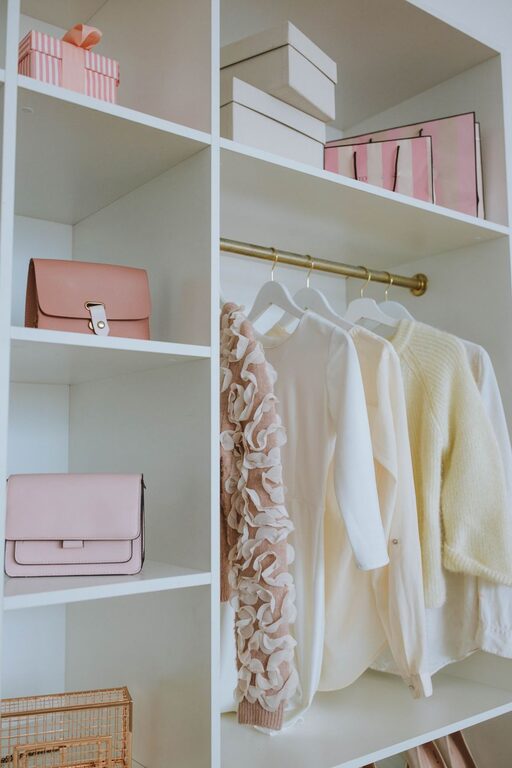
A tidy closet can make busy mornings easier, protect your clothing, and help you make better use of the space you have. The key is not creating a perfect closet once, but setting up a system that is simple enough to maintain.
With a clear plan and a few practical habits, you can keep clothing, shoes, and accessories organized without spending hours rearranging everything. Use these tips to create a closet that stays neat over time.
Start With a Complete Closet Reset
Before organizing, remove everything from the closet. Working shelf by shelf or section by section can be helpful if you have a large wardrobe, but the goal is to see what you own.
As you empty the space, clean the shelves, floor, rods, and corners. Dust and lint can collect in areas that are difficult to reach when the closet is full. A quick vacuum or wipe-down gives you a fresh starting point.
Create separate piles for:
– Items you wear often
– Seasonal items
– Items that need repairs or cleaning
– Items to donate or pass along
– Items you are unsure about
Avoid putting things back immediately. Taking time to sort first prevents you from organizing items you no longer use.
Keep Only What You Use
A closet is easier to maintain when it contains clothing that fits your current lifestyle, preferences, and space. If something has not been worn in a long time, consider whether it is useful, comfortable, or meaningful enough to keep.
Ask yourself a few simple questions:
– Does this item fit well?
– Have I worn it in the past year?
– Is it in good condition?
– Do I have something similar?
– Would I choose to buy it again today?
You do not need to make every decision quickly. Place uncertain items in a labeled box and set a reminder to review them in a few months. If you do not miss or use them, they may be ready to leave your closet.
For items you no longer need, donate clean clothing in good condition, recycle worn textiles when local programs are available, or pass useful pieces to friends or family.
Group Similar Items Together
Organizing by category makes it easier to find what you need and notice what you already have. Store similar items together rather than spreading them throughout the closet.
Useful categories may include:
– Shirts and blouses
– Pants and jeans
– Dresses and skirts
– Sweaters and jackets
– Workout clothing
– Sleepwear
– Accessories
– Shoes
Within each category, you can arrange items by color, length, or how often you wear them. Choose the method that feels natural. For example, placing everyday clothing at eye level and special-occasion items in a less convenient area can save time during the week.
Keep frequently used items within easy reach. Storage should support your routine, not make it more complicated.
Choose Storage That Fits Your Closet
The best storage products are not always the most expensive. They simply make good use of the available space and keep items visible.
Consider these options:
– Matching hangers to create a uniform look and save rod space
– Shelf dividers to keep stacks from leaning
– Small bins for accessories or seasonal items
– Drawer organizers for socks and undergarments
– Hooks for belts, scarves, bags, or hats
– Clear boxes for shoes or items stored on high shelves
– A hamper to keep laundry from collecting on the floor
Measure shelves, drawers, and open spaces before buying containers. Storage bins that are too large can waste space, while containers that are too small may create unnecessary clutter.
Choose containers that are easy to pull out and see into. If you cannot remember what is inside a box, add a simple label. Clear labels reduce searching and help everyone in the household put items away correctly.
Use Vertical and Underused Space
Many closets have more storage potential than they appear to. Look above the main hanging rod, below shelves, behind doors, and along unused wall space.
A few ways to use these areas include:
– Adding a second hanging rod for shorter clothing
– Using shelf risers to create extra levels
– Installing over-the-door hooks or organizers
– Placing low baskets on the floor for shoes or bags
– Storing rarely used items on high shelves
– Using hanging organizers for folded clothing or accessories
Do not fill every open space. Some room is necessary to remove items easily and keep the closet from feeling crowded. A useful rule is to leave a little space between groups of clothing and avoid overloading shelves or rods.
Fold Items the Right Way
Not every item needs to be hung. Heavy sweaters, stretchy knits, and some casual clothing may keep their shape better when folded.
Fold clothing into compact rectangles and store it vertically when possible. This method lets you see each item without lifting an entire stack. It also reduces the chance that clothes at the bottom will be forgotten.
For shelves, keep stacks low enough to remain stable. If a pile often falls over, divide it into smaller groups or use a shelf divider. Store heavier items lower and lighter items higher to make the closet easier to use.
Make Seasonal Changes Easier
Rotating clothing by season can free up valuable space. When warm or cold weather arrives, review what you are likely to wear and move less relevant items to another location.
Before storing seasonal clothing:
- Wash or clean each item according to its care instructions.
- Repair loose buttons, small tears, or broken zippers.
- Make sure items are completely dry.
- Fold clothing neatly in breathable containers.
- Label each container with its contents and season.
- Store containers in a dry, accessible place.
Avoid packing clothing into damp areas or overfilling containers. Good airflow helps protect fabric and makes the next seasonal change easier.
Create a Simple Put-Away Routine
A closet stays organized when returning items becomes quick and automatic. Try to put clothing away as soon as possible instead of creating a chair or floor pile.
Helpful habits include:
– Hang clean clothing immediately
– Put shoes in their assigned location
– Return accessories after use
– Keep a small donation bag nearby
– Place laundry in the hamper rather than on the floor
– Remove one item when adding several new ones
A five-minute reset at the end of the day or week can make a noticeable difference. Straighten hangers, refold loose items, and return anything that has been left out.
Review the Closet Regularly
Even a well-organized closet can become crowded over time. Set a regular review schedule, such as once each season or every few months.
During each review, check for:
– Clothing that no longer fits your needs
– Items that need repair or cleaning
– Storage containers that are no longer useful
– Shoes or accessories you never reach for
– New clutter that has collected on the floor
Small, regular adjustments are easier than a major cleanout. When every item has a clear place and you review your belongings occasionally, a tidy closet becomes a routine rather than a demanding project.
The most effective closet system is one you can follow without much effort. Keep useful items visible, make storage convenient, and build simple habits around putting things away. With these steps, your closet can stay organized and make everyday life a little easier.