Plants are one of the easiest ways to refresh your home. They add color, texture, and natural character without requiring a major renovation. Whether you live in a large house, a small apartment, or a home with limited natural light, the right plants and containers can make your space feel more welcoming.
You do not need a large collection or advanced gardening skills to get started. A few thoughtfully placed plants can brighten an empty corner, soften a shelf, or add interest to a plain room. With a little planning, you can create a comfortable indoor garden that suits your style and routine.
Start by Understanding Your Space
Before buying plants, take a quick look around your home. The amount of light, available space, and room temperature will help you choose plants that are more likely to thrive.
Check the Light
Notice how much natural light enters each room during the day.
– Bright, direct light: Sunny windows are suitable for plants that enjoy strong light.
– Bright, indirect light: A room with filtered sunlight works well for many common houseplants.
– Low light: Darker corners may support shade-tolerant plants, although most plants still need some natural light.
– Changing light: Seasonal shifts can affect how much light a plant receives, so be prepared to move containers when needed.
A simple way to observe light is to watch how shadows fall in each room throughout the day. This will give you a better idea of which areas are bright, moderate, or dim.
Consider Temperature and Airflow
Most indoor plants prefer a stable environment. Avoid placing them directly beside heating vents, air conditioners, drafty doors, or frequently opened windows. Sudden temperature changes can make it harder for plants to adjust.
Keep in mind that kitchens and bathrooms may have more humidity than living rooms. Some plants enjoy this, while others prefer drier conditions. Choose varieties based on the environment you can provide rather than trying to change the entire room for a plant.
Choose Plants That Fit Your Lifestyle
The best plant is one you can care for consistently. If you travel often or have a busy schedule, choose low-maintenance varieties. If you enjoy gardening, you may prefer plants that need regular pruning, training, or repotting.
Easy-Care Choices
Several popular houseplants are known for being adaptable and beginner-friendly:
– Snake plant: Upright leaves create a clean, modern look, and the plant can handle periods of dry soil.
– Pothos: Trailing vines work well in hanging planters, on shelves, or over cabinets.
– ZZ plant: Glossy leaves add texture, and the plant generally needs little attention.
– Spider plant: Long, arching leaves bring movement to a room and look attractive in a hanging basket.
– Rubber plant: Large leaves make a strong visual statement in a bright room.
– Peace lily: Its full foliage suits living rooms and workspaces with filtered light.
Always check the care instructions for a specific variety. Light, watering, and growth habits can differ even among plants in the same general group.
Use Plants to Improve Each Room
Plants can serve both decorative and practical purposes. Instead of placing them randomly, think about how each room is used and where a natural accent would have the greatest effect.
Living Room
The living room is often the best place for a larger plant. Position one beside a sofa, near an empty wall, or in an unused corner to add height and balance. A tall plant can fill vertical space without making the room feel crowded.
For a smaller living room, try a medium plant on a side table or a trailing plant on a bookcase. Grouping several small plants together can create a fuller display while keeping each container easy to move.
Kitchen
The kitchen is a natural place for compact plants and herbs. Place small containers on a sunny windowsill, open shelf, or countertop, while keeping them away from splashes, cooking heat, and busy preparation areas.
Herbs such as basil, mint, rosemary, and thyme can add greenery and be useful when preparing meals. Use containers with drainage holes, and avoid overcrowding the plants so air can move around them.
Bedroom
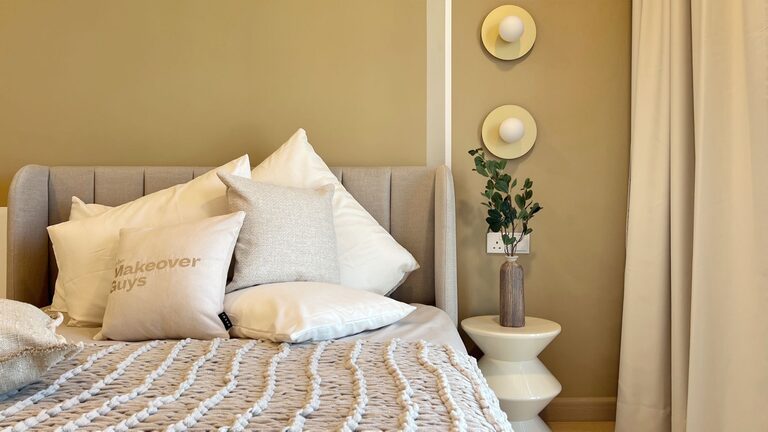
Choose plants with shapes and colors that support a calm, uncluttered atmosphere. A small plant on a nightstand, dresser, or windowsill can add warmth without taking up much room.
Keep the arrangement simple. One or two well-placed plants often look more intentional than a crowded collection. Select containers that coordinate with bedding, curtains, or other room accents.
Bathroom
Bathrooms with windows can be excellent spaces for plants that enjoy a little extra humidity. Place greenery on a shelf, beside the sink, or on a stool. Make sure the plant still receives enough light, since humidity alone is not enough for healthy growth.
If the bathroom has little or no natural light, consider using a plant that can be moved to a brighter location regularly. You can also decorate with a small artificial plant if living plants are unlikely to thrive there.
Refresh Your Containers and Display Style
You do not always need new plants to create a fresh look. Updating the containers or changing the arrangement can make familiar greenery feel completely different.
Try these simple ideas:
– Use matching pots for a neat, coordinated display.
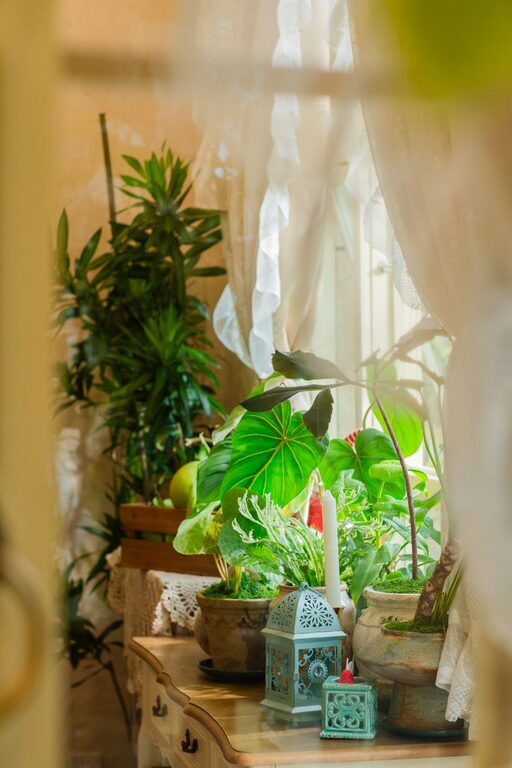
– Mix ceramic, woven, metal, and terracotta containers for more texture.
– Place plants at different heights with stands, stools, or books.
– Use hanging planters to free up shelves and floor space.
– Choose neutral containers for a calm look or colorful pots for a lively accent.
– Put a trailing plant on a high shelf so its vines can grow downward.
Make sure decorative pots do not block drainage. If a container has no drainage hole, keep the plant in a smaller nursery pot inside it. Remove the inner pot when watering so excess water can drain fully.
Create a Simple Plant Grouping
A group of plants often has more visual impact than a single container. To create a balanced display, combine plants with different heights, leaf shapes, and growth patterns.
A useful arrangement may include:
- One taller plant as the main focus.
- One medium plant to fill the center.
- One trailing plant to soften the edges.
Keep some space between containers so the display does not look crowded. Repeating one color, material, or shape can help the group feel connected.
Build a Care Routine
A consistent routine is more important than frequent attention. Check your plants once or twice a week and look for changes in the soil, leaves, and overall shape.
Before watering, test the top layer of soil with your finger. If it still feels damp, wait a little longer. Overwatering is a common problem, so avoid watering automatically on a fixed schedule unless the plant’s needs clearly support it.
Basic care may include:
– Rotating pots so plants grow evenly.
– Removing yellow or damaged leaves.
– Dusting broad leaves with a soft, damp cloth.
– Checking for pests or sticky residue.
– Trimming long vines to maintain the desired shape.
– Moving plants when seasonal light changes.
Refresh Your Home One Area at a Time
You do not have to transform every room at once. Start with one area that feels plain or unfinished, such as an entryway, reading corner, or empty shelf. Add one plant, observe how it changes the space, and then build from there.
The most successful indoor plant displays are practical, personal, and easy to maintain. Choose plants that suit your home, use containers that reflect your style, and leave enough room for the plants to grow. With a few thoughtful changes, greenery can make your home feel brighter, more comfortable, and full of life.